By Summit Group Real Estate Professionals
Sellers often assume an appraisal simply confirms whatever price the market already agreed on. In
Santa Fe, this assumption causes more surprises than almost any other step in a real estate transaction. An adobe home near the Historic Eastside can appraise very differently than a similar-looking home built with standard frame and stucco. Understanding what an appraiser is looking for helps buyers and sellers avoid surprises at the worst possible time.
Key Takeaways
- Learn what a home appraisal measures beyond the agreed sale price.
- Discover why Santa Fe's adobe construction can complicate the appraisal process.
- Find out how the historic district affects the way appraisers value a home.
- Understand what to do if an appraisal comes in lower than expected.
What a Home Appraisal Evaluates
An appraisal is an independent estimate of a home's value, separate from whatever price a buyer and seller agree to. Lenders order it to confirm the loan amount is supported by the property itself.
What Appraisers Look At
- Recent comparable sales nearby, adjusted for size, condition, and lot.
- The condition and age of major systems, from the roof to the HVAC.
- Construction type and materials, which carry extra weight in a market like Santa Fe.
In most transactions, the appraisal confirms the agreed price. In Santa Fe, a few local factors can move that number in a different direction.
Why Adobe Construction Complicates Appraisals
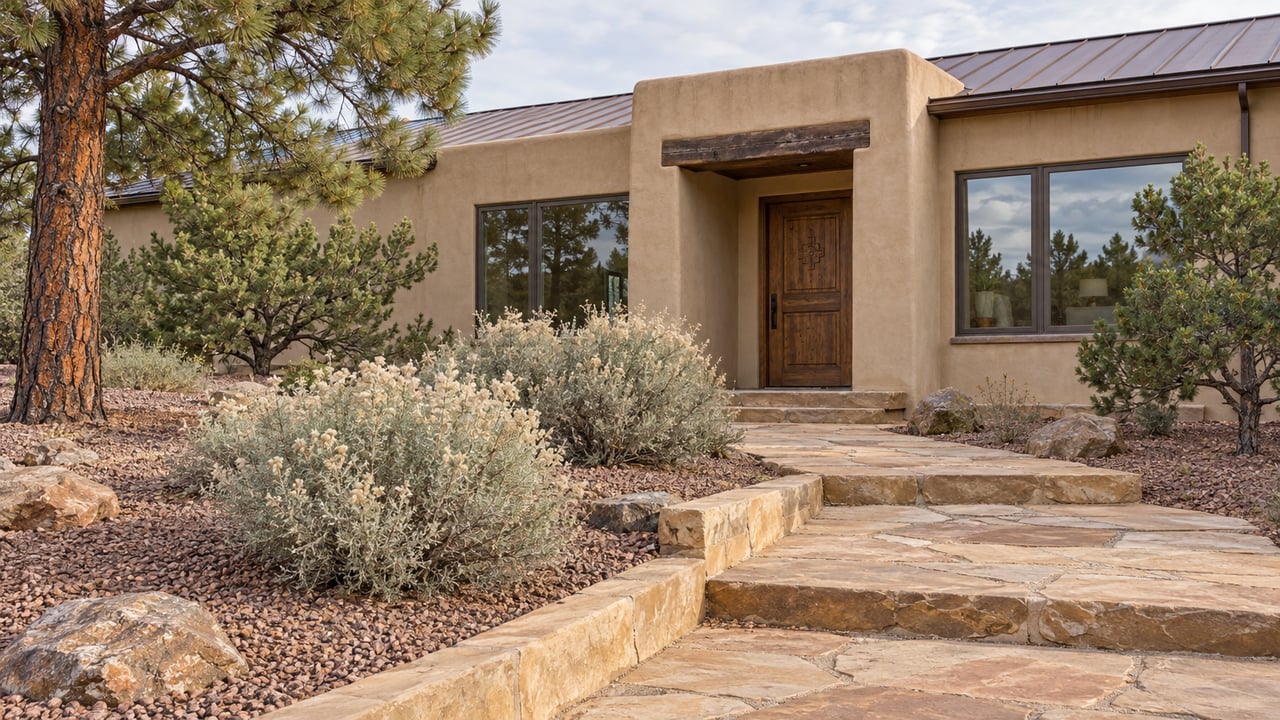
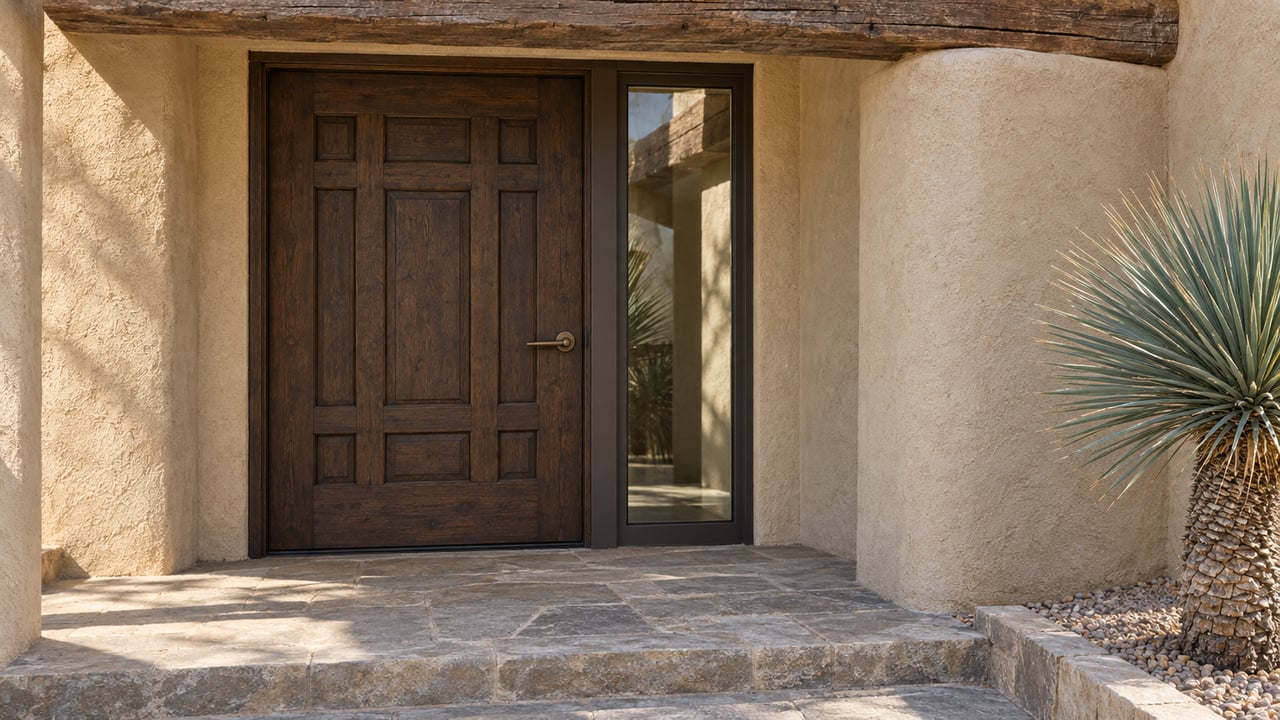
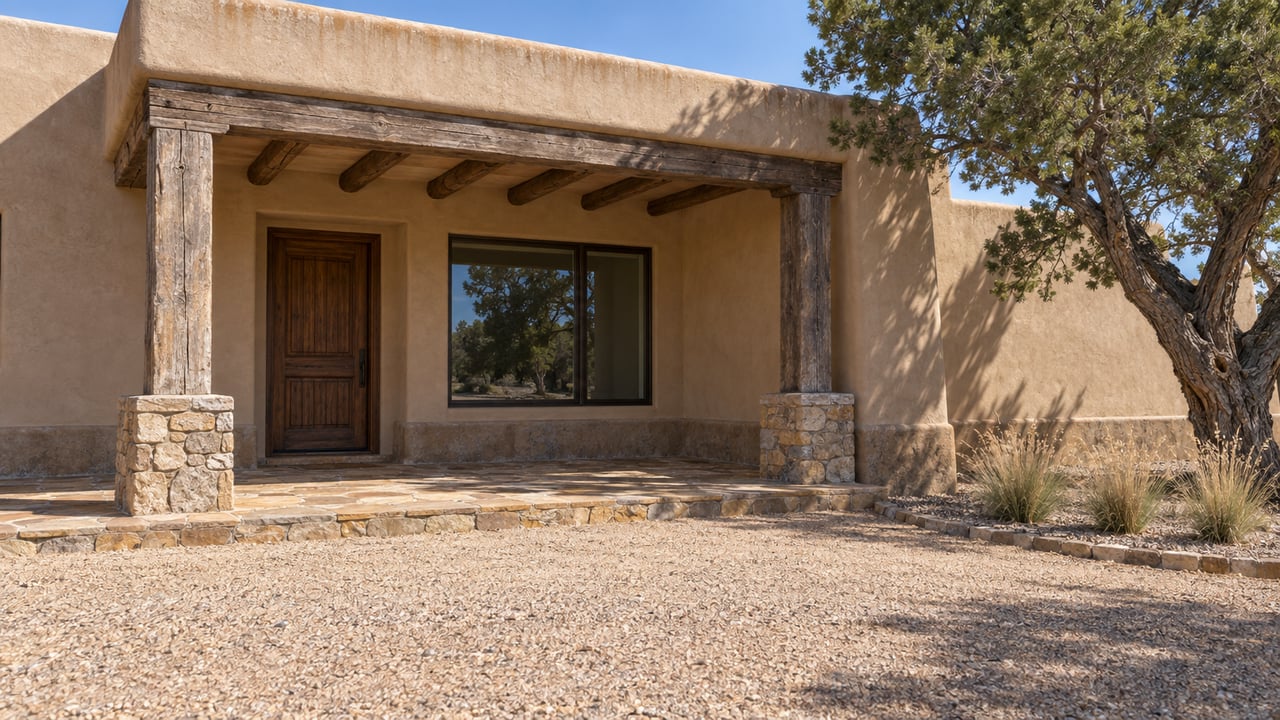
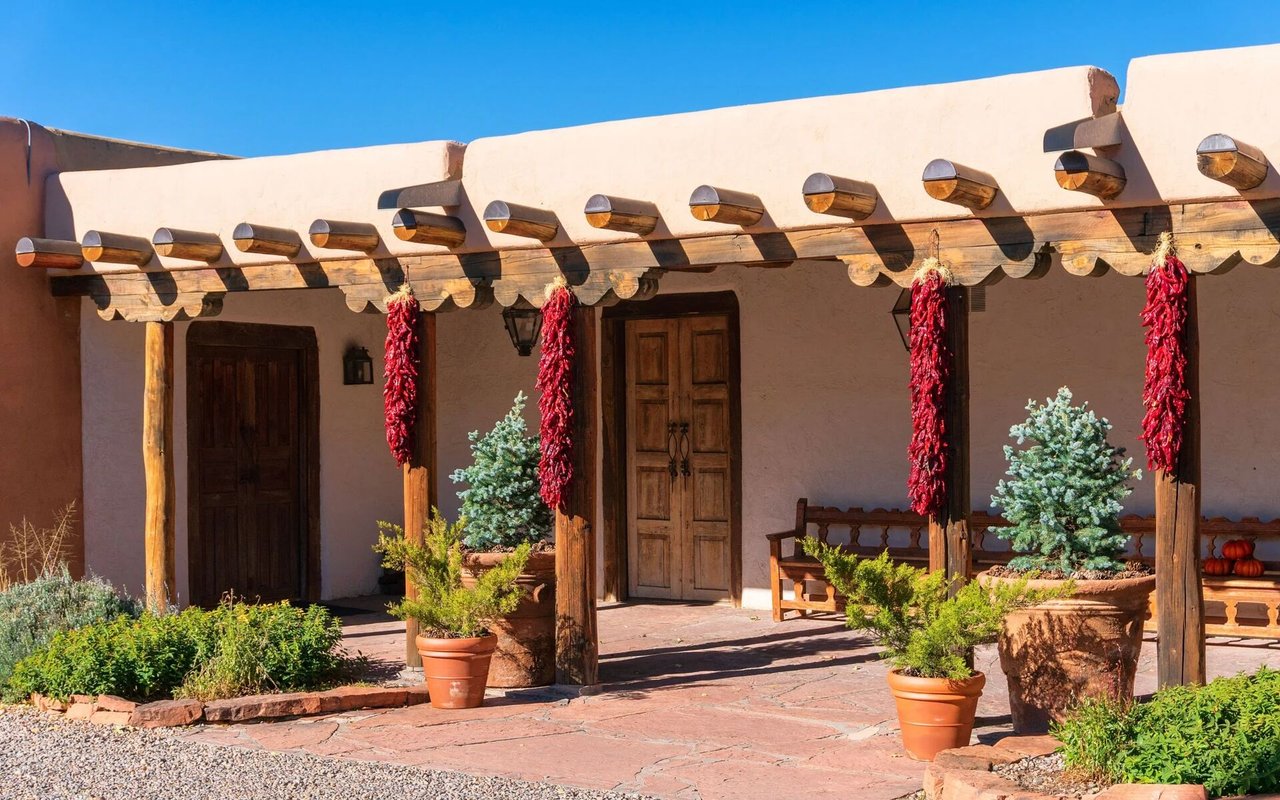
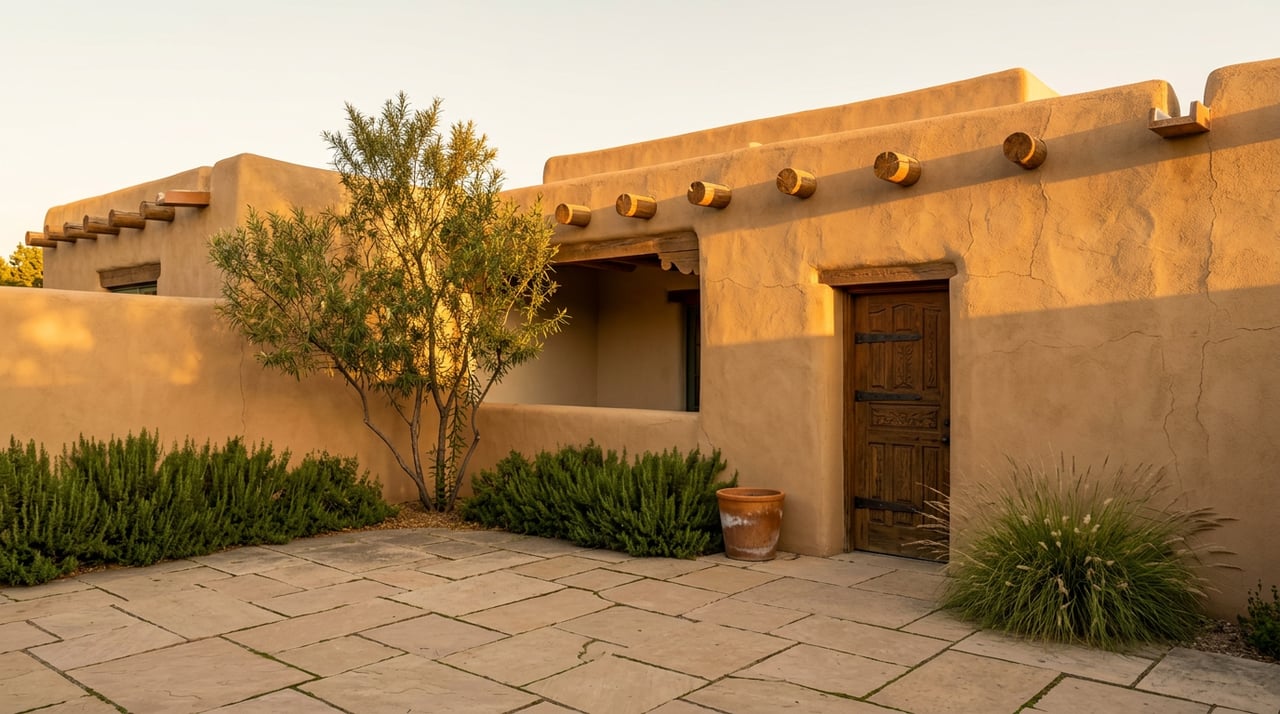
Authentic adobe construction is prized in Santa Fe, and it usually commands a premium over standard frame and stucco homes. This premium can be difficult for an appraiser to document with the same confidence as a straightforward comparable sale.
What Makes Adobe Different in an Appraisal
- True adobe has fewer directly comparable sales nearby, since many adobe style homes are frame construction finished to look like adobe.
- Moisture or structural issues in older adobe homes sometimes require a specialist evaluation before a lender will move forward.
- Homes with well documented restoration or maintenance history tend to appraise more smoothly than homes without that record.
Sellers with authentic adobe construction benefit from having the proper documentation ready before an appraiser walks through the door.
How the Historic District Shapes Value
Homes inside Santa Fe's Historic Eastside, near the Plaza and Canyon Road, face specific rules about exterior changes. Those rules affect how appraisers weigh renovations and additions.
What to Know About Historic District Appraisals
- Exterior modifications require approval through the Historic Design Review Board, which appraisers factor into how they value recent updates.
- Homes with permitted, code compliant renovations typically appraise better than homes with unpermitted work, even in a desirable location.
- Proximity to the Plaza and Canyon Road tends to support value, but only when the home's condition and paperwork hold up.
Buyers drawn to the character of the historic district should expect the appraisal process to weigh heavily on the property’s historical significance.
Custom Homes and the Comparable Sales Challenge
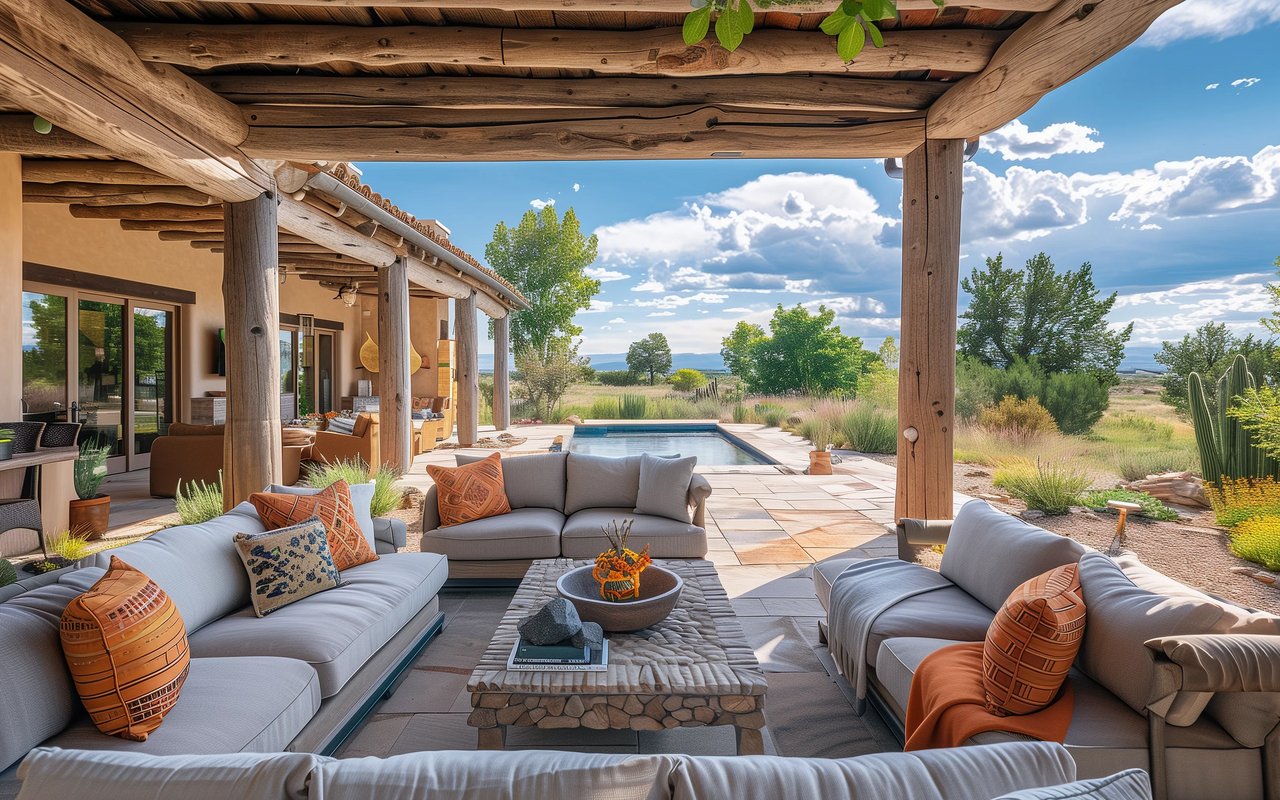
Custom and luxury homes in communities like Las Campanas and Tesuque present their own appraisal challenge, simply because so few truly comparable sales exist nearby.
Where Comps Get Harder to Find
- Large custom homes on multi-acre lots in Las Campanas, where architectural style and finishes vary widely from one property to the next.
- Tesuque's horse properties and custom estates, where land value and improvements often need to be considered separately.
- Homes with resort-style amenities, like golf course access, do not show up the same way in every sale.
An appraiser working in these communities often has to look further afield or adjust more heavily for differences between comparable properties.
Frequently Asked Questions
What happens if an appraisal comes in lower than the agreed price?
Buyers and sellers usually renegotiate the price, the buyer covers the difference in cash, or the buyer requests a second opinion. In Santa Fe, a second appraisal is common when the property has unique construction or sits inside the historic district.
Does adobe construction always appraise higher than frame construction?
Not automatically. Authentic adobe tends to command a premium, but the appraisal still depends on comparable sales, condition, and documentation of the construction type.
How long does a home appraisal usually take in Santa Fe?
Most appraisals take one to two weeks from the order date to the final report, though homes with unique construction or historic district considerations can take longer.
Contact Summit Group Real Estate Professionals Today
Santa Fe's appraisal process can be complex, especially for homes with adobe construction or a location inside the historic district. However, with the right guidance, this crucial step in a real estate transaction can move smoothly. We help sellers organize the documentation an appraiser will want to see, from permit records to notes on past restoration work, before the appraisal is ever ordered.
If you're preparing to
sell in Santa Fe and want to gauge where your home might appraise, contact our team at
Summit Group Real Estate Professionals, and we'll walk you through what to expect.