Choosing Between Historic Eastside And South Capitol
May 14, 2026
May 14, 2026
Wondering whether Historic Eastside or South Capitol fits the way you want to live in Santa Fe? It is a common question, especially if you are drawn to historic character but want the right day-to-day feel, walkability, and home style for your next move. The good news is that both neighborhoods offer strong location appeal, but they do so in very different ways. Here is how to compare them with more clarity and confidence.
Historic Eastside is the more consistently historic of the two areas. According to City of Santa Fe planning materials, the Downtown and Eastside Historic District includes downtown along with neighborhoods such as Canyon Road, Acequia Madre, Camino del Monte Sol, and East Palace Avenue.
This district contains many of Santa Fe’s oldest and best-preserved Spanish-Pueblo, Territorial, and revivalist buildings. The street pattern and building form also help define the experience, with narrow streets, homes built close to property lines, and residences often organized around patios or placitas.
South Capitol has a broader and more mixed identity. Within the larger neighborhood, the Don Gaspar Historic District reflects railroad-era development from about 1890 to 1930, and city materials describe a variety of architectural styles, including bungalow forms.
The area around South Capitol and Don Gaspar also includes small-scale residential structures, moderate-scale single-story houses centered on lawns, and larger government-related improvements on larger lots. In simple terms, South Capitol feels less uniform and a bit more varied block to block.
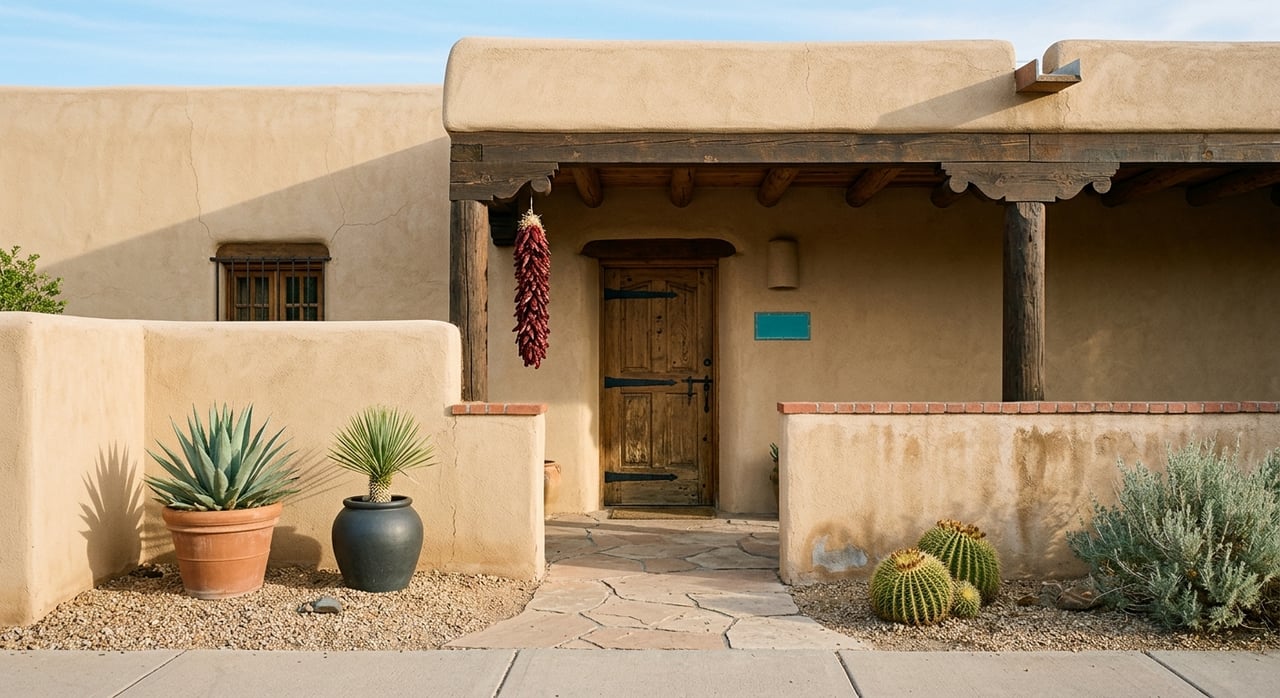
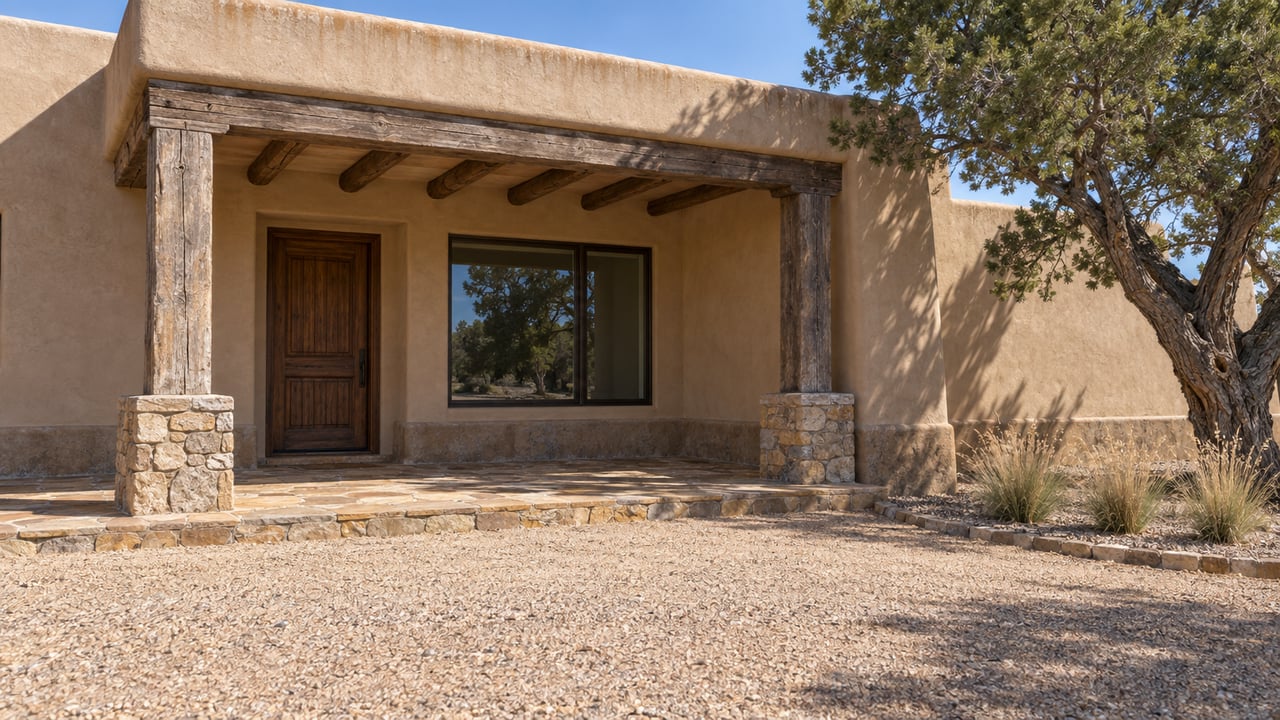
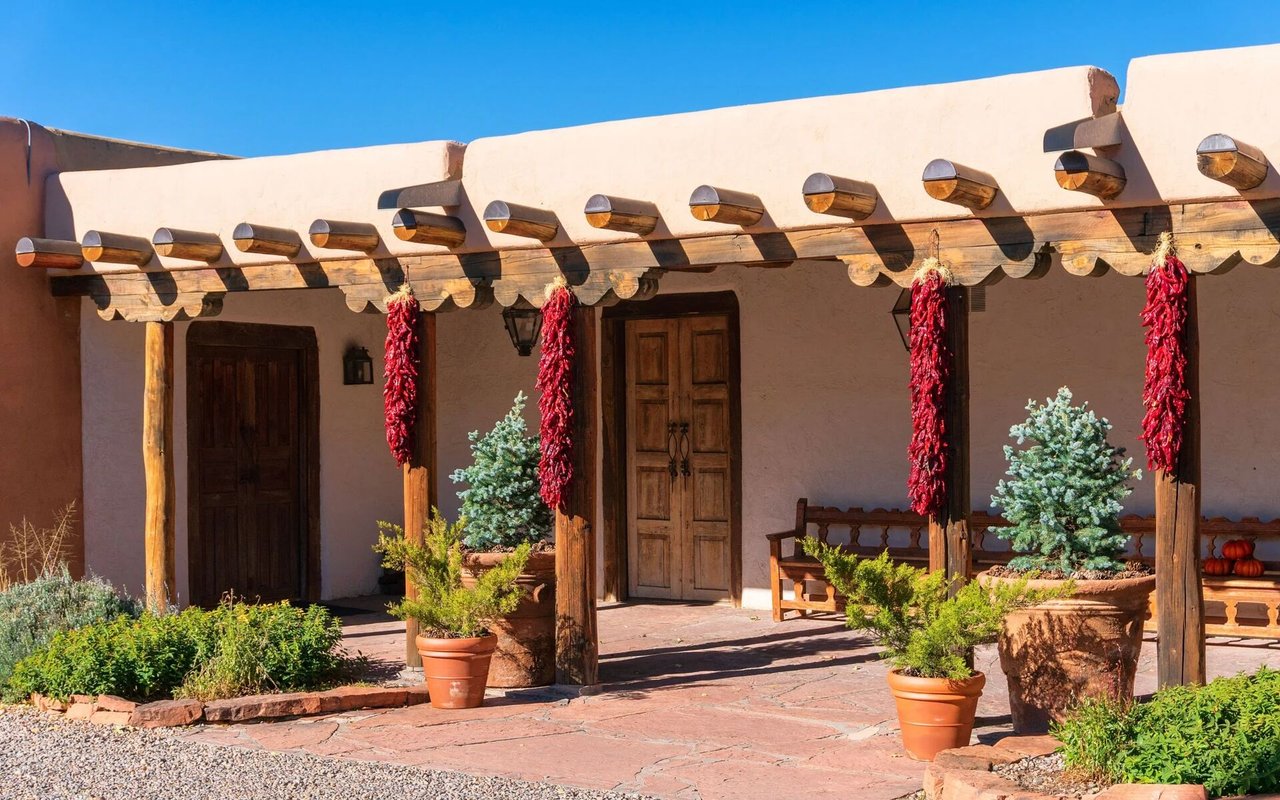
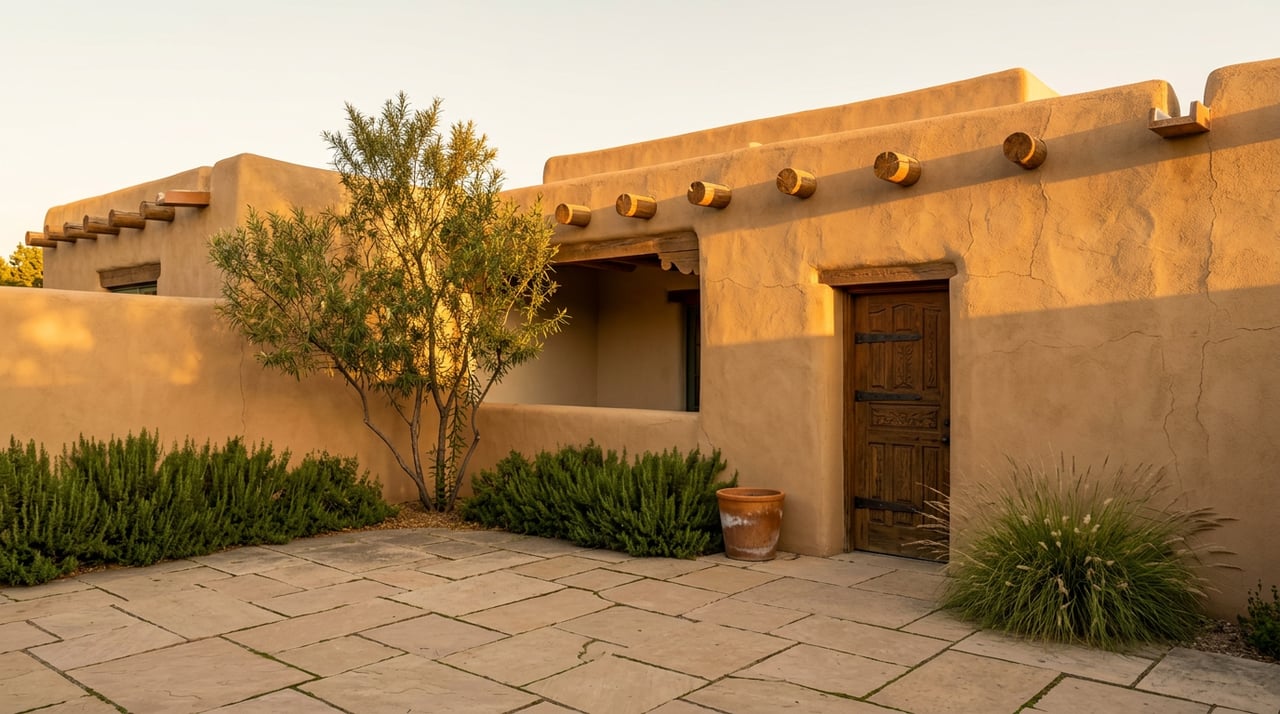
If you picture classic Santa Fe architecture, Historic Eastside is likely what comes to mind. City planning materials point to adobe and Santa Fe style forms, earth-tone finishes, mud plaster or stucco, inset windows and doors, and rounded edges.
That design language, paired with older compounds and narrow streets, creates a more intimate street-level experience. In many spots, the neighborhood feels tucked in, layered, and deeply connected to Santa Fe’s older built fabric.
South Capitol gives you a wider architectural mix. City and neighborhood materials describe Craftsman, Territorial, adobe, and Pueblo homes in and around the area, especially in Don Gaspar.
The street pattern also reads differently. Instead of a more enclosed compound feel, South Capitol often presents as a gridded neighborhood with residential blocks, lawned lots, and civic edges.
If your ideal Santa Fe day includes walking to galleries, cafés, and historic streets, Historic Eastside has a clear advantage. Tourism Santa Fe describes Canyon Road as a half-mile, tree-lined, pedestrian-friendly corridor with more than 100 galleries, along with small eateries, cafés, and fine dining.
Living in Historic Eastside also places you close to downtown Santa Fe, where restaurants, boutiques, museums, bookstores, and cultural destinations add to the neighborhood’s appeal. For many buyers, Eastside living is about being immersed in Santa Fe’s art-and-history atmosphere.
South Capitol is also walkable, but the experience is broader and more residential. Local neighborhood materials place it just south of the State Capitol and within walking distance of downtown districts and the Plaza.
It also benefits from proximity to the Railyard, which city materials describe as a major hub for shopping, food, entertainment, events, and the farmers market. If you want a neighborhood that helps you move easily between downtown, the Capitol area, and the Railyard, South Capitol may feel more flexible.
One of the biggest practical differences for buyers is not just neighborhood character, but whether a specific property falls within a historic district. In Historic Eastside, the Historic Preservation Division administers reviews within the Downtown and Eastside Historic District.
In South Capitol, historic review may also apply if a property is inside the Don Gaspar Historic District. That means remodeling or exterior changes are not automatically simpler in one neighborhood versus the other. The exact parcel matters, so it is important to verify district status before making assumptions about future plans.
| Feature | Historic Eastside | South Capitol |
|---|---|---|
| Overall feel | More consistently historic | More mixed and varied |
| Street pattern | Narrow streets, older compound fabric | Tighter grid in Don Gaspar, broader civic-residential mix nearby |
| Common architecture | Spanish-Pueblo, Territorial, revivalist, adobe forms | Bungalow, Craftsman, Territorial, adobe, Pueblo |
| Daily lifestyle | Gallery-forward, close to Canyon Road and the Plaza | Residential feel with access to downtown, Capitol, and Railyard |
| Lot and site feel | Smaller or irregular lots are more common | More lawned lots and some larger-lot civic edges |
| Historic review | Common in the Downtown and Eastside Historic District | May apply in Don Gaspar depending on parcel |
If you are deciding between these two neighborhoods, start with how you want Santa Fe to feel when you step outside your door. Historic Eastside often appeals to buyers who want architectural authenticity and a close connection to Canyon Road and downtown culture.
South Capitol often fits buyers who still want charm and walkability, but with more variety in housing and a slightly broader everyday rhythm. Neither choice is better across the board. The better fit depends on whether you value consistency and historic immersion, or flexibility and a more mixed neighborhood fabric.
In Santa Fe, small location differences can shape everything from how a block feels to what kind of updates may be possible over time. That is why local, parcel-level guidance matters so much when you are comparing story-rich neighborhoods like these.
If you are weighing Historic Eastside against South Capitol, working with a team that understands Santa Fe block by block can help you move forward with more confidence. Connect with Summit Group Real Estate Profesionals for thoughtful local guidance tailored to your goals.
The Decisions That Shape a Successful Sale in Santa Fe, NM.
Reaching the Buyers Who Want a Home Like Yours in Santa Fe, NM.
Getting a Home Ready for Buyers in Santa Fe, NM.
What the Right List Price Earns a Seller in Santa Fe, NM.
Summit Group Real Estate Professionals offers unmatched real estate expertise in Northern New Mexico with over 35 years of market knowledge. Our team combines local roots with global reach through Berkshire Hathaway HomeServices, providing dedicated service for both buyers and sellers.