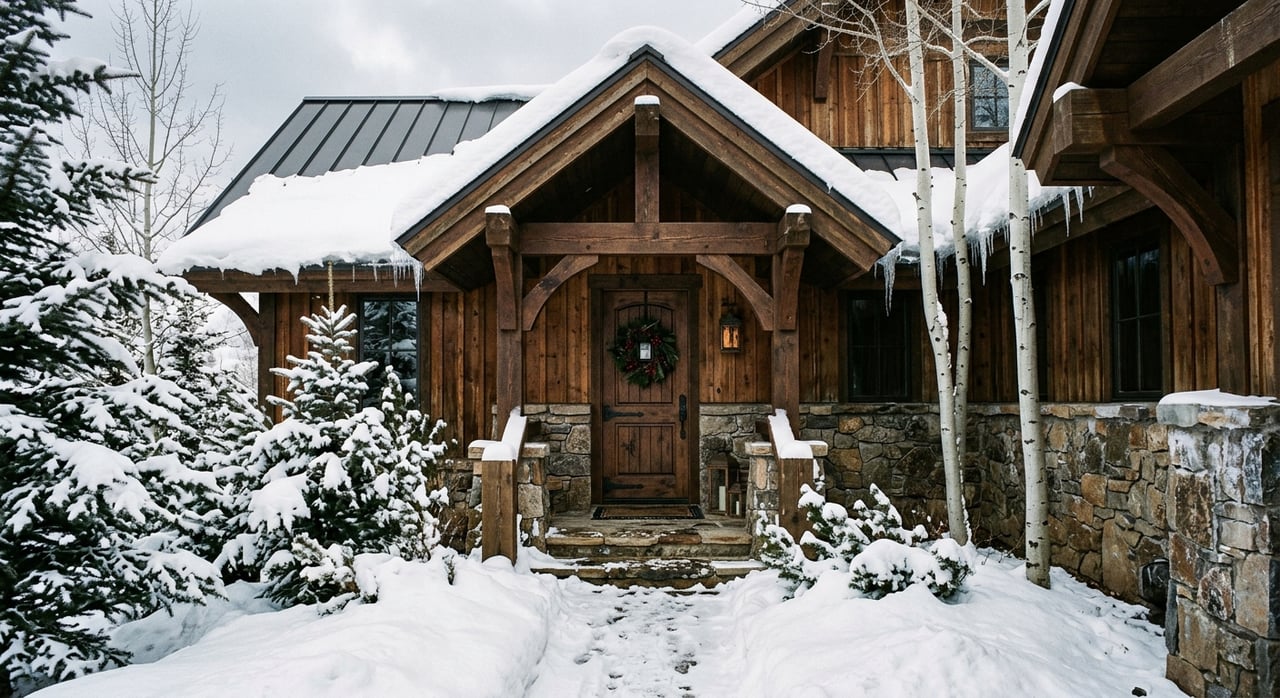
Key Considerations When Buying At Taos Ski Valley
June 18, 2026
June 18, 2026
Thinking about buying in Taos Ski Valley? A mountain property here can offer memorable ski days, cool summer escapes, and strong lifestyle appeal, but it also comes with practical details you do not want to overlook. If you are comparing condos, chalets, or rental-friendly properties, understanding how the village works can help you buy with more confidence. Let’s dive in.
Taos Ski Valley is a compact mountain village at about 9,200 feet, set within a narrow alpine footprint and surrounded by wilderness. According to the village, the full-time population is small, but occupancy can rise to more than 4,000 people when transient units are full. That contrast shapes everything from parking and access to rental demand and daily ownership.
This is also a place where weather and elevation matter in real life, not just in the listing photos. The village reports an average annual snowfall of 305 inches, so snow removal, winter access, and property readiness should be part of your decision from the start. For many buyers, the right property is not just attractive. It is functional in every season.
Taos Ski Valley is accessible year-round, but mountain access is still mountain access. The resort notes that visitors can reach the area by driving from Albuquerque or Santa Fe, taking the scenic High Road to Taos, or using NM 150 from Taos. The resort also offers complimentary ground transfers between Taos Regional Airport and the resort, along with free parking and EV charging in the village.
That convenience does not make every location equal. In winter, proximity to lifts, plowed roads, parking, and shuttle access can make a major difference in how easy your property is to use or rent. If you plan to visit often or host guests, these day-to-day details can affect the overall experience as much as the interior finishes.
Taos Ski Valley is also a year-round destination. Along with skiing and snowboarding, the resort highlights summer activities such as hiking, mountain biking, fishing, rafting, llama trekking, and horseback riding. If you want a property that works beyond ski season, think about how well it supports both winter convenience and summer access.
One of the biggest choices buyers face is whether a condo or chalet fits their goals better. In Taos Ski Valley, that decision often comes down to ownership style, amenities, maintenance, and location rather than simply whether short-term rental use is allowed. The village zoning ordinance permits short-term rentals in single-family, multi-family, hotel, and lodge units.
Many slope-adjacent condos are built for convenience. Examples in the village include residences and lodging options with features such as underground parking, ski valet, heated pools, hot tubs, on-call staff, ski lockers, spa access, and close proximity to lifts and base-area services. For a second-home buyer, those amenities can create a more lock-and-leave ownership experience.
Condos may also reduce the number of moving parts you manage on your own. Depending on the building or management setup, you may have easier access to guest services, parking, and maintenance support. That can matter if you live out of town or want a property that feels simpler to own.
Single-family homes and chalets remain part of the village market, but supply appears more limited. The village history page notes that roughly two new single-family residences have been built per year over the past decade. When inventory is tight, details like lot position, privacy, parking, storage, and remodel potential become especially important.
A chalet may offer a different sense of space and flexibility, but it can also require more hands-on review. You will want to understand access during snow events, who handles exterior upkeep, where guests park, and what future improvements may be possible. In a mountain market, those questions can be just as important as square footage.
In Taos Ski Valley, location can change the ownership experience quickly. The village identifies three main neighborhood regions: Amizette, the Core Village Zone, and the Kachina Area. Two properties with similar price points can live very differently depending on which area they are in.
The Core Village Zone includes base operations, ticket sales, ski school, retail, and most resort hotels. If you want easy access to central amenities and a more walkable base-area setting, this zone may be appealing. It can also mean more activity nearby during peak periods.
The Kachina Area sits at the base of the Kachina lift and includes condos and some residential units. Buyers looking for lift access may want to compare this area carefully against the core. Depending on the property, it may offer a different balance of access, convenience, and day-to-day atmosphere.
Amizette is another recognized area within the village and should be evaluated on its own terms. As with any mountain location, what matters most is how the property fits your goals for access, privacy, parking, and year-round use. A local review of each micro-location can be very helpful here.
A beautiful property is only part of the picture. The village is responsible for infrastructure and services including public safety, public works, parks and recreation, snow removal, and village infrastructure. Those local services play a large role in what ownership feels like over time.
The residents page also points to practical needs such as electricity, propane, internet, TV, trash and recycling, water and sewer service, mail service, groceries, and winter-only medical care. For second-home buyers, that is useful context. It shows that the village supports day-to-day living, while also reminding you to verify exactly what your property setup includes.
On-mountain grocery options include Bumps Market in The Snakedance and Cid's Mountain Market at The Blake. That can add convenience when you are staying in the village for a weekend or longer stretch. Still, buyers should confirm how self-contained they want their mountain ownership experience to be.
If you plan to use the property part time or rent it when you are away, management support becomes a major factor. Some local vacation-rental operators advertise services such as guest reservations, concierge help, activity planning, shopping and delivery, housekeeping, snow removal, and maintenance. Others manage a broad mix of homes, chalets, and condos.
That means your real question is not simply whether a property can be rented. It is whether the specific HOA, building, or manager supports the level of service you want. A property with great views but weak operational support may feel far less convenient than a well-managed condo with a strong service structure.
Short-term rental planning starts with jurisdiction. The village residents page states that owners planning to rent short term should file a lodgers' tax registration form and monthly report. The village zoning ordinance also confirms that short-term rental use is allowed in the relevant residential and lodging categories.
At the same time, Taos County approved Ordinance 2024-4 on August 20, 2024 for short-term rental units in unincorporated county areas. So before you rely on rental use or projected income, confirm whether the property is inside the Village of Taos Ski Valley or outside it in unincorporated Taos County. The rules may differ depending on that boundary.
This is one of the most important due diligence steps for buyers who want income potential. Rental strategy is never just about the unit itself. It is also about local filings, management structure, and how much owner involvement you want.
If you are buying with plans to remodel, expand, or reconfigure the property, take the approval process seriously. The Planning and Zoning Commission administers the village zoning and subdivision ordinances, and the zoning ordinance states that a pre-application meeting comes before permit submittal. That means renovation timelines may be longer than buyers first expect.
The ordinance is designed to address issues such as fire, flood, avalanche, transportation, water, sewer, overcrowding, and other hillside-development concerns. In a mountain setting, those factors are part of responsible development. If future improvements matter to you, verify the path early instead of assuming a project will be simple.
Before making an offer, it helps to work through a clear set of questions:
These are the kinds of details that help you separate a good-looking listing from the right long-term fit. In a market as specific as Taos Ski Valley, local context matters.
Buying here can be exciting, but it is best approached with clear eyes and careful review. Whether you are looking for a slopeside condo, a mountain retreat, or a property with rental potential, the strongest decisions usually come from understanding access, services, location, and local rules before you commit.
If you are considering a purchase in Taos Ski Valley, Summit Group Real Estate Profesionals can help you evaluate the details that matter most and navigate the process with local insight.

The Decisions That Shape a Successful Sale in Santa Fe, NM.
Reaching the Buyers Who Want a Home Like Yours in Santa Fe, NM.

Getting a Home Ready for Buyers in Santa Fe, NM.
What the Right List Price Earns a Seller in Santa Fe, NM.
Summit Group Real Estate Professionals offers unmatched real estate expertise in Northern New Mexico with over 35 years of market knowledge. Our team combines local roots with global reach through Berkshire Hathaway HomeServices, providing dedicated service for both buyers and sellers.