What Cabin Living In Red River Really Feels Like
July 2, 2026
July 2, 2026
If you picture cabin living in Red River as one long, quiet mountain retreat, the reality is more interesting than that. This is a high-elevation town with snowy winters, cool summer nights, a busy event calendar, and a pace that can shift a lot from one week to the next. If you are wondering what daily life really feels like here, this guide will help you picture the rhythm, comforts, and tradeoffs of spending time in a Red River cabin. Let’s dive in.
One of the first things you notice about Red River is how compact it is. The town says it covers about four square miles, and Main Street is only about a mile long. That gives cabin living here a close-knit, easy-to-navigate feel.
At the same time, Red River still feels tucked away in the mountains. The town notes that the nearest stoplight is 11 miles away, which says a lot about the setting. You get a place that feels remote, but not disconnected from the basics of daily activity.
Red River also sits high in the Sangre de Cristo Mountains at roughly 8,681 to 8,750 feet, depending on the source. In practical terms, that means you live with altitude, cooler temperatures, and a true four-season mountain climate. That setting shapes everything from what you wear in the morning to how you plan your weekends.
Winter is when Red River fully leans into its ski-town identity. Red River Ski Area has a base elevation of 8,750 feet, a peak of 10,350 feet, about 190 inches of annual snowfall, and 38 runs. The ski area typically opens the day before Thanksgiving and stays open through late March.
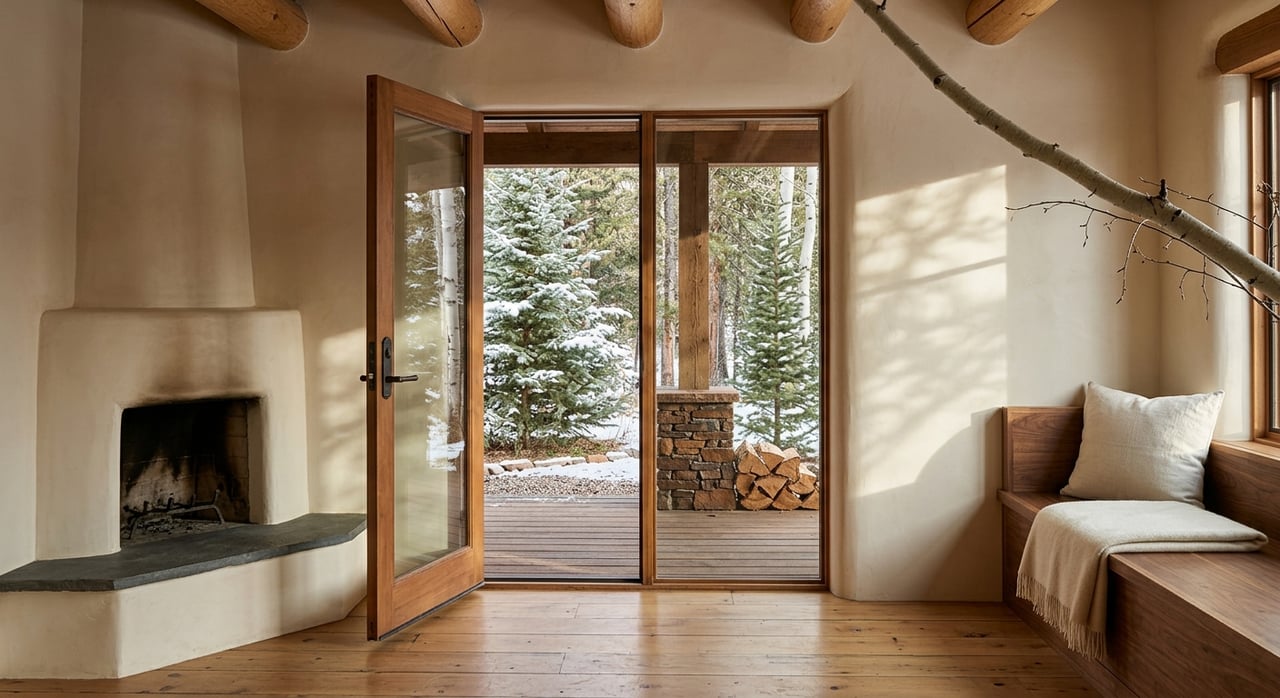
That creates a very specific cabin routine. You are likely to think in terms of layers, boots, gloves, and weather timing. Coming home to a warm living space after skiing, snowboarding, tubing, snowshoeing, or snowmobiling is part of what makes cabin living here feel so appealing.
The temperatures reinforce that mood. December highs are usually between 25 and 35 degrees, while January and February highs often stay between 20 and 30 degrees. Nighttime lows can drop to 10 below zero, so winter living tends to feel cozy, gear-heavy, and a little more schedule-aware.
Some mountain towns go quiet in summer, but Red River does not fully slow down. June days are typically in the mid-70s, with nights in the mid-50s, and even July heat is usually moderate by regional standards. If you like the idea of open windows, cool evenings, and long days outside, summer can feel especially rewarding.
The recreation mix stays strong too. In summer, the ski area shifts to scenic chairlift rides, a seated zip line, mountain tubing, an aerial park, disc golf, mini golf, a mining sluice, and hiking. Around town and nearby public land, you also have fishing, biking, horseback riding, and rafting in the broader recreation picture.
That means a cabin often feels less like a place to hide away and more like a base camp. You might spend the day outside and come back for a quiet evening on a deck or by a fireplace. It is a relaxed feeling, but not an empty one.
Fall in Red River tends to feel crisp and colorful. The aspen turn bright shades of orange, yellow, and red, and the first snow usually arrives in October. That combination gives cabin life a peaceful but seasonal edge, where you can feel winter starting to move in.
Spring is more of a transition. April and May are known locally as the mud months, with warmer daytime temperatures but lingering cold nights and the possibility of late snowstorms. If you spend time here in spring, the experience is usually quieter and more reflective than the peak winter and summer seasons.
One of the most honest things to know about Red River is that it does not feel the same all year, or even all month. The town says it receives more than 450,000 visitors a year, averages about 1,900 tourists per day, and can reach up to 18,500 people per day during peak holidays. That is a big swing for a small mountain town.
So, does cabin living here feel busy or quiet? The answer is both. Holiday periods, ski weekends, and major events bring more activity, while shoulder seasons and non-peak weeks can feel much calmer.
That contrast is part of the lifestyle. Some owners and buyers love the energy of festival weekends and ski season. Others are drawn to the quieter windows, when the town feels slower and the mountain setting takes center stage.
Red River has a strong seasonal calendar, and that adds another layer to cabin life. Annual events listed by the town include Memorial Day Weekend, the Red River Car Show, Vino in the Valley, Red River Jamboree, the Enchanted Forest Trail Races, the Enchanted Circle Bicycle Tour, the 8750 BBQ & Music Festival, Aspencade Arts Festival, Oktoberfest, Ski Area Opening Day, Switch on the Holidays, Christmas in the Mountains, the Red River Songwriters’ Festival, and Mardi Gras in the Mountains.
What does that mean for you? It means life here often moves in waves. Certain weekends feel social and lively, while others feel slower and more local in pace.
If you are considering a cabin for personal use, part-time living, or a vacation-home lifestyle, that seasonal rhythm matters. It helps to know whether you are drawn more to the festive side of Red River, the quieter side, or a mix of both.
The lodging picture gives a useful window into the kind of spaces Red River is known for. Public listings describe rustic cabins near Carson National Forest, creekside cabins, A-frames, bunkhouses, riverside condos, and log-cabin-style vacation rentals. That points to a mountain market centered more on retreat-style living than suburban floor plans.
Many cabins and condos commonly feature full kitchens, fireplaces, balconies or decks, laundry, hot tubs, Wi-Fi, and parking. Some condo options also note ski-in and ski-out access. In Red River, practical comfort often matters just as much as square footage.
That is part of what cabin living really feels like here. It is often about having the right features for mountain life, not simply having more space. A fireplace, a place to dry gear, easy parking, and quick access to the river, lifts, or trails can shape your daily experience in a big way.
Carson National Forest is central to the Red River experience. The Forest Service says the forest spans 1.5 million acres and includes about 330 miles of trails for hiking, mountain biking, four-wheel-drive travel, camping, hunting, and fishing. When you live in or spend time in a Red River cabin, that nearby access becomes part of your normal routine.
For many people, this is what makes the town feel like a retreat. You are not just looking at mountain scenery from a window. You are close to trails, fishing areas, and open land that support an active, outdoors-first lifestyle.
Nearby fishing options help reinforce that feeling. The Forest Service notes fishing access at Elephant Rock Campground about three miles west of town, and Eagle Rock Lake is stocked regularly from spring through fall. For cabin owners or buyers who value easy outdoor recreation, that access is a meaningful part of daily life.
Despite its mountain setting, Red River is easy to move through once you are there. The official visitor information says the complimentary Miners Transit shuttle runs throughout town at no charge. In a small town with a compact footprint, that can make day-to-day movement feel simple.
Walkability also plays a role. With a mile-long Main Street and a concentrated town core, many outings can feel like short hops rather than full drives. That adds convenience to cabin living, especially during busier weekends or snowy stretches.
In other words, Red River can feel remote in the best way, but not inconvenient. That balance is part of the appeal for many second-home and mountain-property buyers.
At its core, cabin living in Red River feels like a blend of comfort, seasonality, and outdoor access. You get cool summers, snowy winters, a small-town layout, and a setting where public land and recreation are woven into everyday life. You also get a town that can feel lively during peak periods and much quieter during shoulder seasons.
That is why Red River tends to appeal to people who want more than scenery alone. The lifestyle is shaped by altitude, weather, events, and a compact mountain-town layout that feels both practical and distinct. If you are considering a cabin, condo, or mountain home here, it helps to picture not just the property, but the rhythm of the place itself.
If you want help understanding Red River and the broader Northern New Mexico mountain-home market, connect with Summit Group Real Estate Profesionals. Their local insight and relationship-driven approach can help you evaluate the lifestyle, setting, and property fit with confidence.

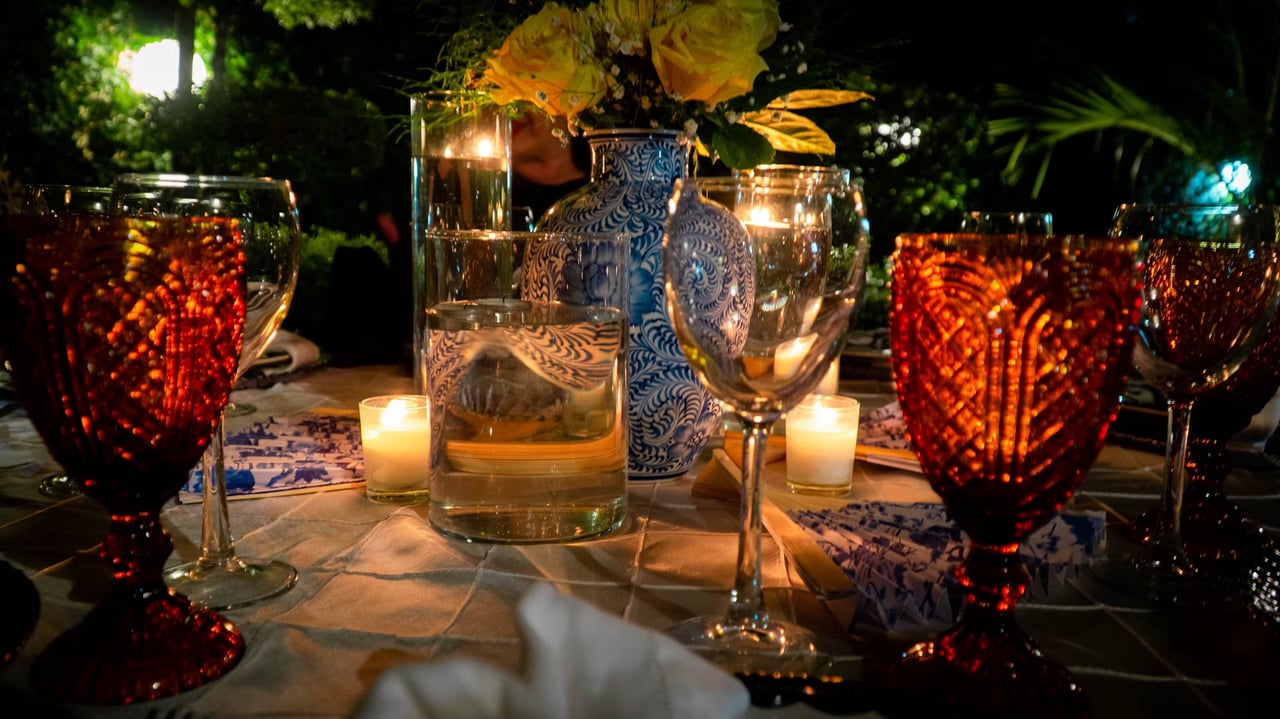
Unique Ways to Spend a Memorable Night in Santa Fe.
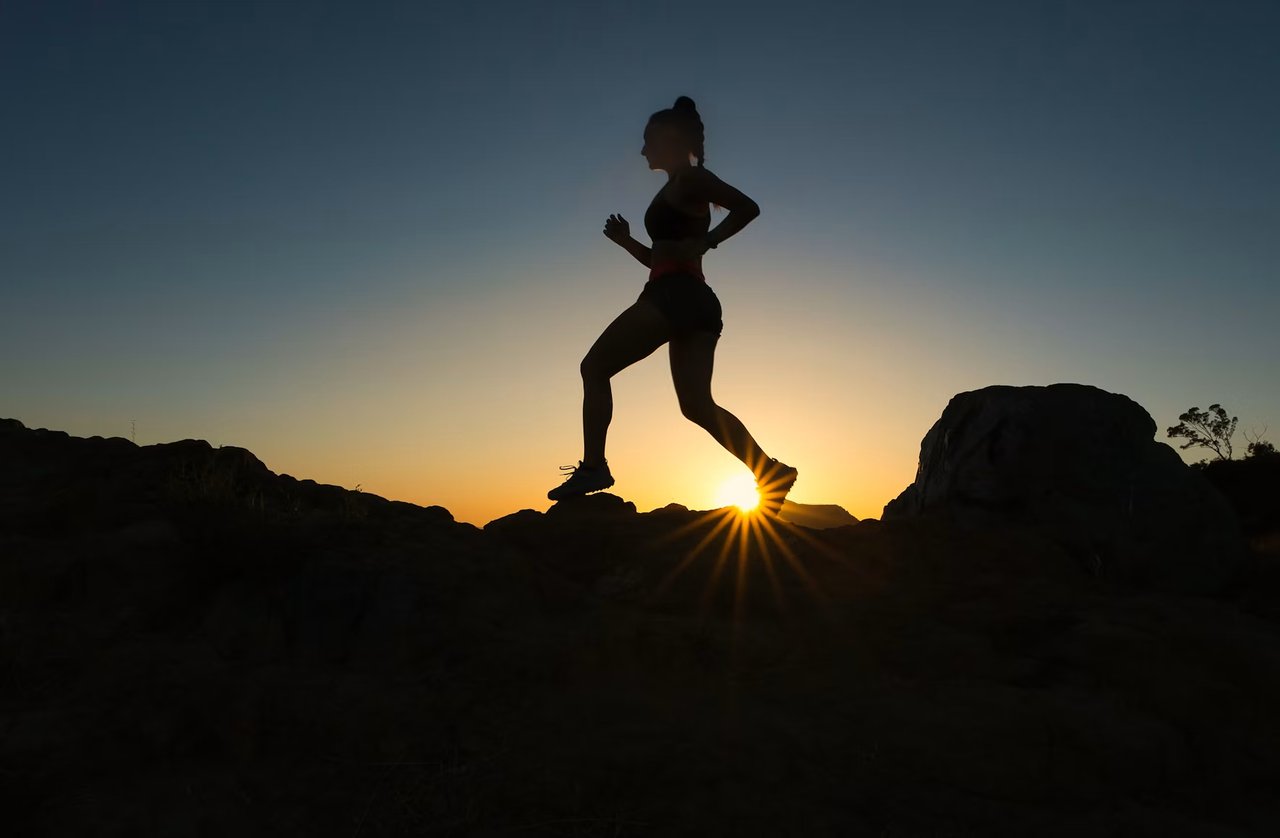
Mountain Trails, Fitness Facilities, and Winter Sports Near Santa Fe.
How to Visit Santa Fe’s Galleries, Markets, and Moonlit Studios.
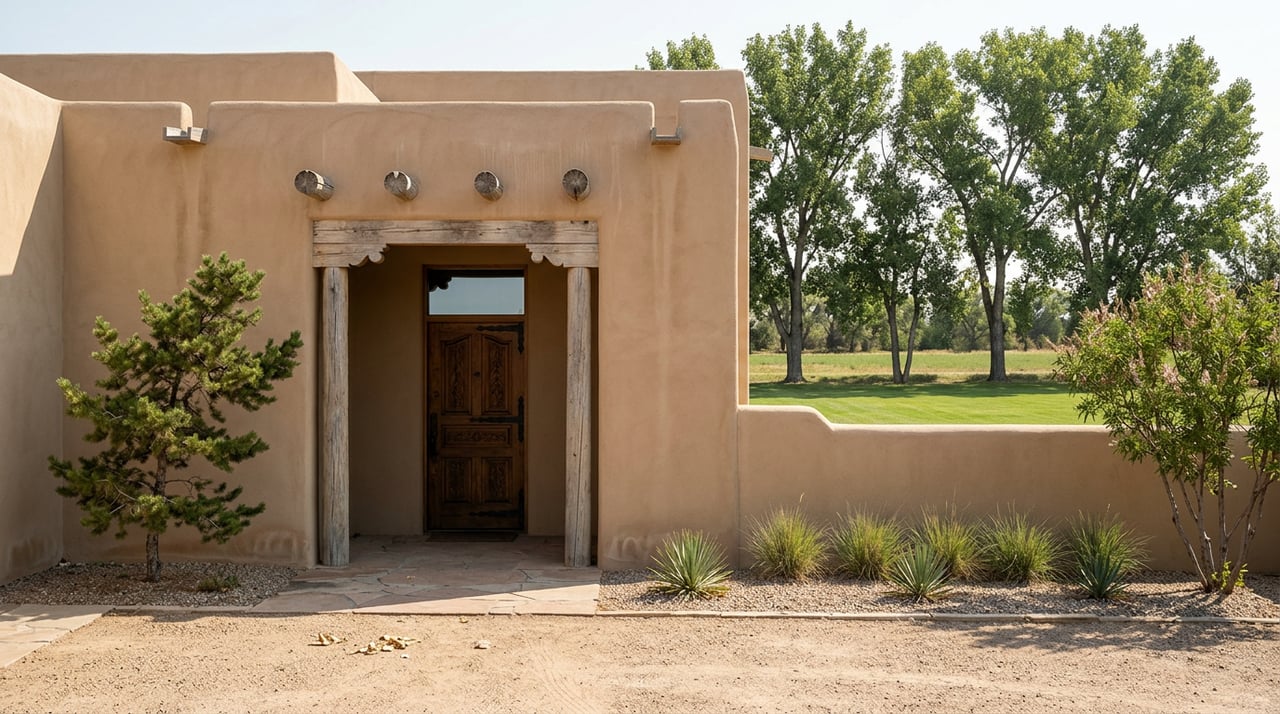
Adobe Walls, Ancient Landmarks, and Endless Art in Santa Fe.

The Details First-Time Buyers Often Miss.

What Buyers Should Know Before They Start Touring Homes.
Summit Group Real Estate Professionals offers unmatched real estate expertise in Northern New Mexico with over 35 years of market knowledge. Our team combines local roots with global reach through Berkshire Hathaway HomeServices, providing dedicated service for both buyers and sellers.