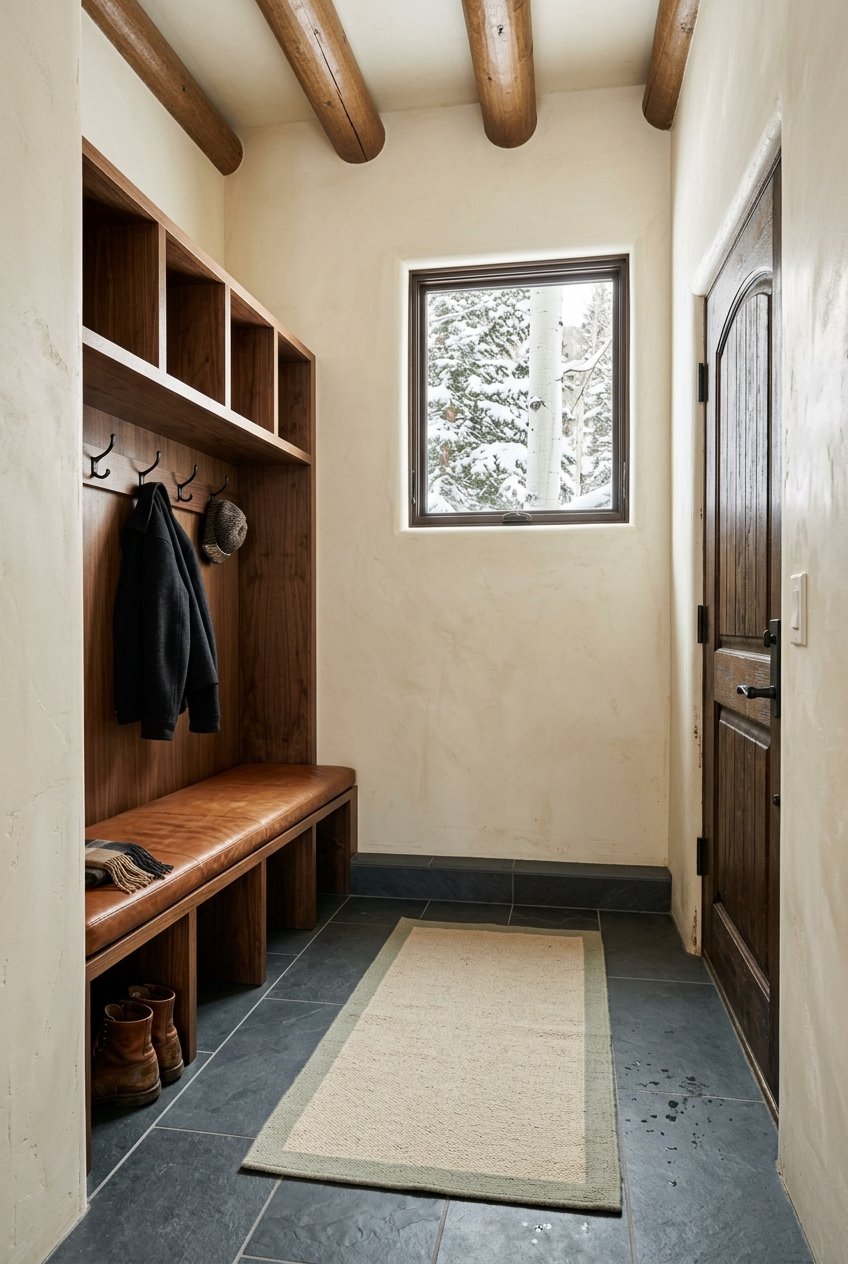
How To Evaluate A Vacation Home In Angel Fire
June 25, 2026
June 25, 2026
Buying a vacation home in Angel Fire can feel exciting right up until the questions get more specific. Will you use it just for ski trips, or all year? Will it stay a private retreat, or should it help offset costs as a rental? If you want to make a smart decision in Northern New Mexico’s mountain market, you need to look past the view and test the property against how you actually plan to use it. Let’s dive in.
Before you compare finishes, decks, or views, decide what success looks like for you. In Angel Fire, the best vacation home is not always the one with the most dramatic setting. It is the one that matches your schedule, comfort level, and ownership goals.
A helpful way to start is by choosing one of three lanes:
That first decision shapes almost everything else. It will influence how much parking you need, how close you want to be to activities, how much administrative work you can tolerate, and whether HOA rules or rental permits change the property’s value to you.
Angel Fire is not just a winter destination. The Village and resort information point to a true four-season market, with skiing and snow play in winter, plus biking, golf, hiking, fishing, scenic lift rides, and other warm-weather activities across much of the year.
That matters because a vacation home here should be evaluated across more than one season. A property that feels ideal in January may be less appealing in summer if access, sun exposure, or proximity to your favorite activities does not fit how you plan to visit.
Angel Fire Resort lists 95 trails, average snowfall of 210 inches, and snowmaking on 52% of the mountain. The resort also operates a summer season, and the local activity mix includes golf, biking, lake time, hiking, and wildlife viewing.
If you may rent the home part time, year-round appeal becomes even more important. A property that works for both ski visitors and summer guests may offer a broader use case than one that depends on a single season.
In a mountain market, access is part of the asset. A home can look perfect online and still create headaches if winter arrival is difficult, parking is tight, or transportation logistics are more complicated than expected.
Angel Fire Resort notes that transportation within the village is limited and recommends a rental car for many visitors. It also advises checking New Mexico road conditions before driving. For you, that means the trip to Angel Fire is only part of the equation. You also need to think about how easy it is to reach the home itself in changing weather.
When you tour or review a property, consider:
These questions may sound basic, but they often affect long-term satisfaction more than cosmetic upgrades do.
Mountain-adjacent property can be appealing, but access is not always as open-ended as buyers assume. The resort states that skiing, hiking, and biking on the mountain operate during designated hours and generally while chairlifts are running. It also notes that big-game hunting takes place on the ski mountain from September 1 through November 30, and uphill skiing requires prior written authorization.
That means “near the mountain” is not the same as unrestricted mountain use. If a property’s value to you depends heavily on direct recreational access, verify how that access works in real life.
Angel Fire is a high-elevation alpine community. The Village places the town floor at 8,420 feet, and the surrounding mountains rise above 11,000 feet. The resort also warns visitors about altitude sickness and stronger sun exposure.
For a vacation homeowner, this matters more than many people expect. Comfort affects whether you want to return often, whether guests enjoy the home, and whether the property truly works for multi-day stays in every season.
A striking view is valuable, but ease of use often matters more over time. Think about arrival, stairs, parking, sun exposure, and how the home lives after a long travel day or a full day outdoors.
In a resort market, repeat enjoyment is a real measure of value. A home that feels easy and comfortable may serve you better than one that looks impressive but is harder to use consistently.
One of the biggest mistakes vacation-home buyers make is underestimating recurring ownership costs. In Angel Fire, those costs may include more than taxes, insurance, and maintenance.
Posted resort membership rules state that membership is an obligation of ownership in recorded Angel Fire Resort subdivisions. AAFPO also states that property owners pay an annual assessment to use amenities, and special assessments can be levied for capital improvements.
If a home is in a resort subdivision, the ownership math may look different than a buyer first expects. Those recurring costs can affect whether the property fits your goals as a private retreat or a rental-minded purchase.
Before you move forward, ask for clarity on:
A beautiful property can still be the wrong fit if its rules and recurring costs do not align with how you plan to own it.
If you think you may rent the property for shorter stays, do not treat compliance as a later detail. In Angel Fire, short-term rental rules can materially affect your timeline, cost structure, and operating plan.
The Village’s permit application states that a short-term rental needs a New Mexico CRS number, Village business registration, and a Village STR permit. It also states that a fire inspection and evacuation plan are required before opening and annually for renewals. Each property needs its own permit, even if a management company is involved.
The Village also states that lodging is subject to a 5% lodgers tax plus a 2.4% sports and recreation fee. Gross taxable rent includes cleaning, pet, and miscellaneous fees, and monthly reports are due by the 25th of the following month, even when there is zero revenue.
That is a meaningful operational commitment. If you want only occasional rental income, you should weigh the reporting and compliance burden against the likely benefit.
The permit application notes that rentals longer than 30 nights are treated differently. That can be useful if you are comparing a true short-term rental strategy with a longer-stay approach.
For some buyers, this is the point where the right answer becomes clearer. You may decide you want a simpler second home, or you may confirm that the property needs to be set up more intentionally as a rental asset.
Once you understand access, elevation, HOA obligations, and rental compliance, the next step is simple. Test the property against the way you actually plan to use it.
Here is a practical framework:
This path fits best if you want personal enjoyment first and minimal administrative work. In Angel Fire, that often means prioritizing reliable winter access, comfortable parking, and easy reach to the activities your household will really use.
This option can work well if you want to offset some carrying costs but still keep the home available for your own trips. Strong candidates usually perform across ski season and summer activity season, fit Village STR requirements, and have a dependable local contact or manager.
If your goal is stronger guest use, the home should be competitive in more than one season. In Angel Fire, that often means straightforward access, enough beds and parking for group travelers, and a ruleset that supports frequent guest stays.
Remote ownership usually works best when you plan support before you need it. That is especially true in a mountain market where weather, seasonal turnover, and compliance requirements can create time-sensitive issues.
The Village’s permit application asks for a management company or local contact with unit access. That is a practical sign that local help matters. Depending on your ownership plan, you may want to line up a local lender, property manager, and CPA or tax advisor early in the process.
New Mexico property-tax guidance states that real property is valued as of January 1 each year, owners must declare certain value changes by the last day of February, and county assessors mail Notices of Valuation around April 1.
If you are buying with income in mind, tax setup is not something to postpone. A clear understanding of timing, reporting, and location-based tax obligations can help you evaluate the property more accurately from the start.
If you want a clean decision-making framework, start in this order:
When those pieces line up, a vacation home in Angel Fire can be a strong lifestyle purchase and, in some cases, a workable rental property too. When they do not line up, the home may still be attractive, but it is probably not the right fit for your goals.
If you are considering a vacation home in Angel Fire or another Northern New Mexico lifestyle market, Summit Group Real Estate Profesionals can help you evaluate the details that matter most and make your next move with confidence.

The Decisions That Shape a Successful Sale in Santa Fe, NM.
Reaching the Buyers Who Want a Home Like Yours in Santa Fe, NM.

Getting a Home Ready for Buyers in Santa Fe, NM.
What the Right List Price Earns a Seller in Santa Fe, NM.
Summit Group Real Estate Professionals offers unmatched real estate expertise in Northern New Mexico with over 35 years of market knowledge. Our team combines local roots with global reach through Berkshire Hathaway HomeServices, providing dedicated service for both buyers and sellers.